股东
How to Understand
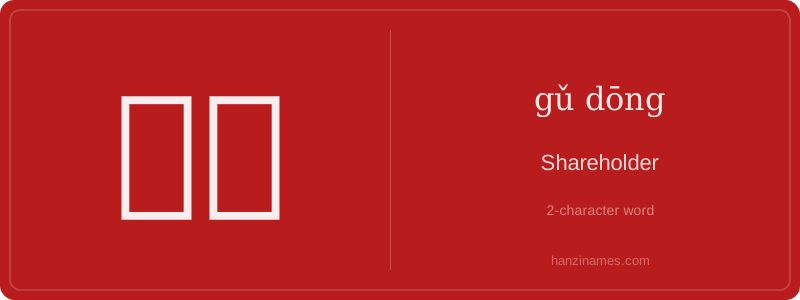
股东 (gǔ dōng) refers to a person or entity that owns shares in a company. Unlike a general investor, a shareholder has legal rights and responsibilities tied to their ownership stake, such as voting rights and dividends.
The character 股 (gǔ) originally meant a share or portion, especially in the context of financial ownership. 东 (dōng) literally means 'east' but is used here as a suffix to denote a person involved in a business or financial role, similar to how 'er' is used in English to form nouns like 'worker' or 'singer.'
Shareholders are central to corporate governance. In China, shareholder rights are protected by law, and large shareholders can influence company decisions. Understanding this term is essential for anyone engaging with Chinese business or investment environments.