东北
How to Understand
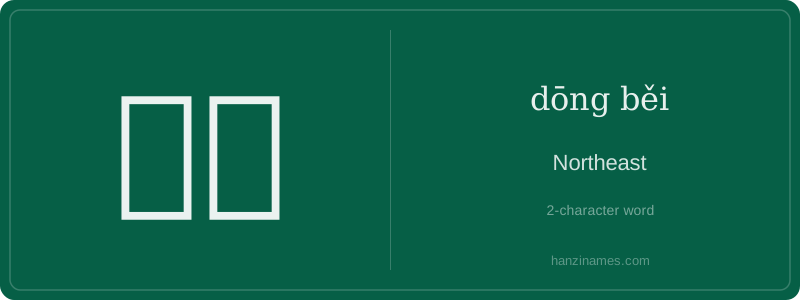
东北 (dōng běi) refers to the northeastern region of China, specifically the provinces of Heilongjiang, Jilin, and Liaoning. It is a geographical and cultural term that distinguishes this area from other parts of China.
The word is composed of 东 (dōng), meaning 'east,' and 北 (běi), meaning 'north.' Together, they literally translate to 'northeast,' indicating the direction or region located in the easternmost and northernmost part of China.
东北 is often used in discussions about regional culture, dialects, and identity. The Northeastern Chinese dialect is known for its distinct accent and expressive speech patterns. In daily conversation, it is common to refer to people from this region as 东北人 (dōngběi rén), and the term can also carry cultural connotations related to resilience and humor.