居然
How to Say
👀 0
How to Write
Meaning: surprisingly
How to Understand
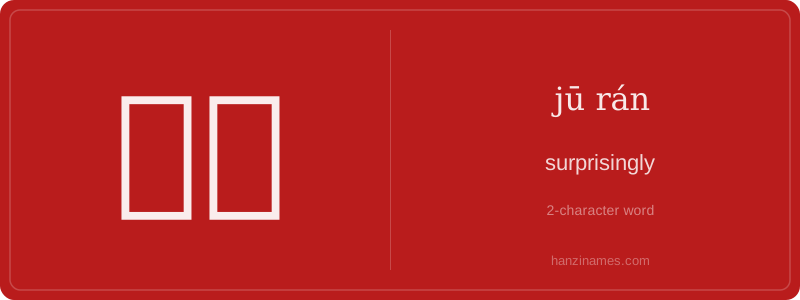
居然
居然 is an adverb that expresses surprise or unexpectedness. It is used to emphasize that something happened in a way that was not anticipated, often leading to a sense of astonishment or wonder.
The character 居 (jū) originally meant 'reside' or 'live,' but in this context, it serves as a prefix that contributes to the word's expressive tone. 然 (rán) means 'so' or 'like that,' and together they form a phrase that conveys a feeling of unexpectedness or surprise.
居然是 commonly appears in conversational Chinese to express reactions to surprising events. It is often used in everyday speech to highlight the unexpected nature of a situation, making it a versatile and expressive word for learners to master.
Example Sentences
他居然通过了考试。
He surprisingly passed the exam.
她居然记得我的生日。
She surprisingly remembered my birthday.