差距
How to Understand
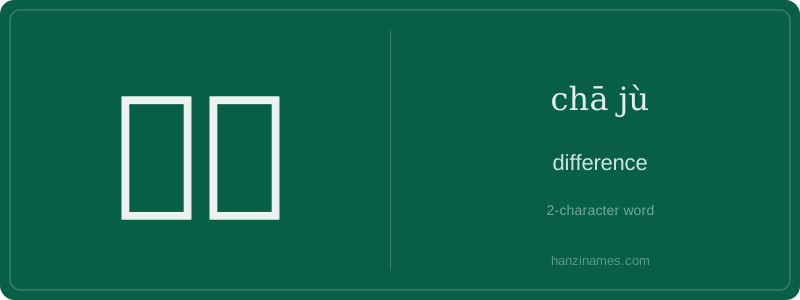
差距 refers to a difference or gap between two things, often in terms of quality, ability, or condition. It emphasizes the contrast between what is and what could be, and is commonly used in contexts like performance, progress, or standards.
The character 差 (chā) originally meant 'difference' or 'discrepancy,' while 距 (jù) means 'distance' or 'gap.' Together, they form a term that literally translates to 'difference in distance,' symbolizing a measurable gap between two points or states.
差距 is frequently used in educational, professional, and social contexts to highlight disparities. For example, it might describe the gap between a student's current level and the desired standard, or the difference between a country's development and another's. In Chinese culture, recognizing and addressing such gaps is often seen as a path to improvement and growth.