春天
How to Understand
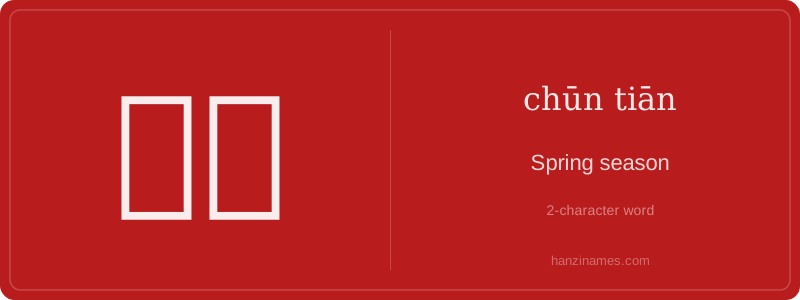
春 (chūn) means 'spring' and 天 (tiān) means 'sky' or 'heavens,' but together, 春天 (chūn tiān) literally translates to 'spring season.' It refers to the first of the four seasons, characterized by warmer weather, blooming flowers, and the awakening of nature after winter.
The character 春 is composed of 日 (sun) and 旦 (dawn), symbolizing the beginning of a new cycle. 天 (tiān) originally meant 'sky' but has evolved to mean 'heaven' or 'season' in this context. Together, they form a poetic expression for the season of renewal and growth.
春 is commonly used in other terms like 春节 (chūnjié, Spring Festival) and 春雨 (chūnyǔ, spring rain). In daily life, 春天 is often associated with outdoor activities, planting, and festivals. It also appears in poetry and proverbs, highlighting its cultural importance in Chinese tradition.