古人
How to Understand
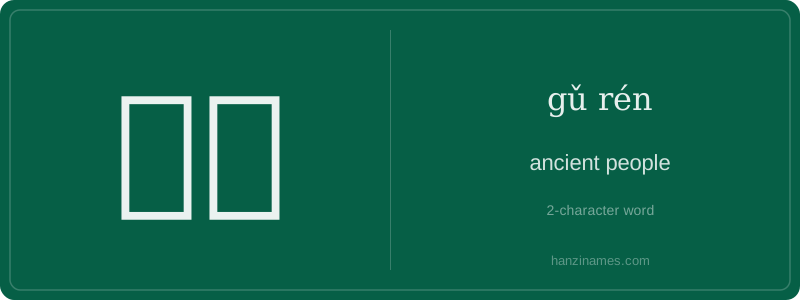
古人 (gǔ rén) refers to 'ancient people' or 'ancestors,' typically used to describe individuals from the past, especially in historical or cultural contexts. It emphasizes a connection to history and tradition, distinguishing it from modern or contemporary people.
The character 古 (gǔ) means 'ancient' or 'old,' derived from a pictograph of a cave, symbolizing early human dwellings. 人 (rén) means 'person' or 'people.' Together, they form a term that highlights the historical and cultural depth of those who lived before us.
古人 is often used in literature, historical discussions, and philosophical contexts. For example, it appears in classical texts and proverbs to reflect on the wisdom or values of past generations. Understanding 古人 helps learners grasp the Chinese emphasis on respecting ancestors and learning from history.