报仇
How to Understand
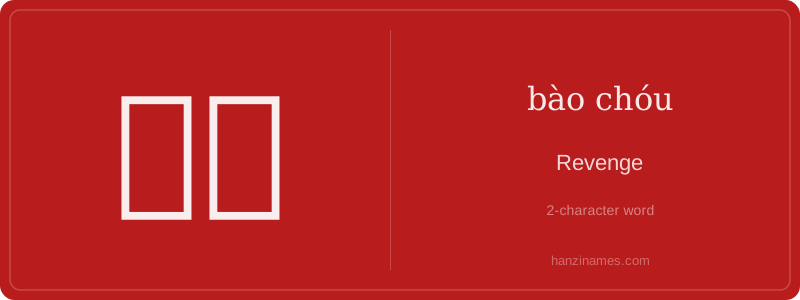
报仇 means 'revenge' or 'to take revenge,' typically referring to the act of seeking retribution for a wrong or harm suffered. It implies a deliberate and often emotional response to a perceived injustice, distinguishing it from general retaliation or self-defense.
The character 报 (bào) originally meant 'to report' or 'to repay,' and later came to signify 'to avenge' or 'to retaliate.' 仇 (chóu) literally means 'enemy' or 'grudge,' and together the phrase emphasizes the act of repaying an enemy or settling a grudge through revenge.
报仇 is commonly used in historical, literary, or dramatic contexts, and carries a strong moral and emotional weight. It is often associated with themes of justice, honor, and personal vendettas. In modern usage, it can appear in stories, films, or discussions about conflict and retribution, particularly in traditional or cultural narratives.