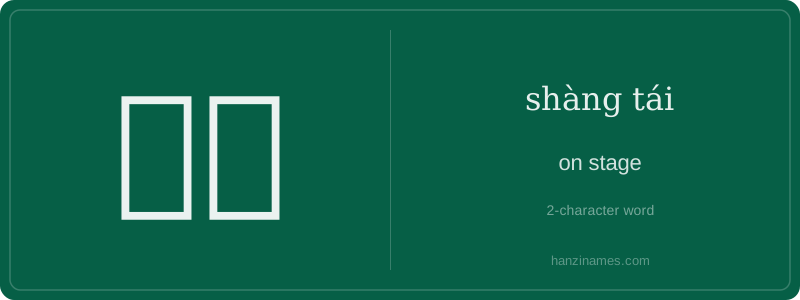
上台
How to Say
👀 0
How to Write
Meaning: on stage
How to Understand
上台
上台 means 'on stage' or 'performing publicly.' It refers to the act of appearing on a platform, such as for a performance, speech, or presentation. It can also metaphorically mean taking on a role or position of responsibility.
The character 上 (shàng) means 'up' or 'above,' and 台 (tái) means 'platform' or 'stage.' Together, they literally translate to 'going up onto a platform,' which captures the idea of stepping into a public space or role.
上台 is commonly used in contexts like performances, political roles, or public speaking. In Chinese culture, being on stage often signifies recognition, honor, or a significant opportunity. It can also be used in more abstract ways, such as when someone takes on a leadership role.
Example Sentences
演员们陆续上台表演节目。
The actors took turns going on stage to perform the program.
他被选中上台发言。
He was chosen to speak on stage.