排水
How to Understand
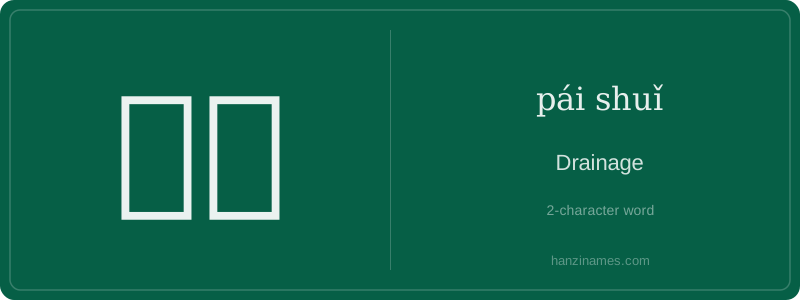
排水 refers to the process of removing water from an area, typically through channels, pipes, or natural systems. It is commonly used in contexts related to infrastructure, agriculture, and urban planning.
The character 排 (pái) means 'to arrange' or 'to push out,' while 水 (shuǐ) means 'water.' Together, they form a term that literally translates to 'pushing out water,' highlighting the function of removing excess water from a space.
排水 is widely used in construction and engineering to describe systems that prevent flooding or water accumulation. In daily life, it can refer to both natural and man-made methods of managing water, such as drainage ditches or sewage systems. Understanding this term is essential for those studying or working in fields related to civil engineering or environmental management.