悬殊
How to Say
👀 0
How to Write
Meaning: vast difference
How to Understand
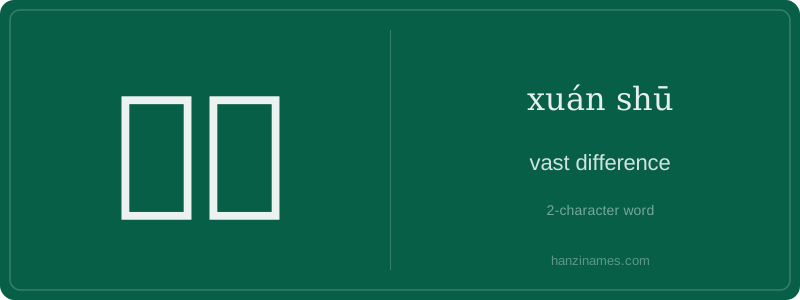
悬殊
悬殊 means a significant or vast difference between two things, often used to describe disparities in quality, quantity, or value. It emphasizes a gap that is noticeable and often surprising.
The character 悬 (xuán) originally meant 'to hang' or 'to be suspended,' and it came to symbolize a state of being apart or separated. 殊 (shū) means 'special' or 'unusual,' and together they convey the idea of something being notably different or far apart.
悬殊 is commonly used in contexts like comparing performance, wealth, abilities, or outcomes. For example, it might be used to describe the difference between a top athlete and an amateur. It's also found in news reports or academic discussions where comparisons are made between contrasting elements.
Example Sentences
他们的成绩之间有巨大的悬殊。
There is a huge difference between their grades.
两者的差距真是悬殊。
The gap between them is truly remarkable.