苟且
How to Understand
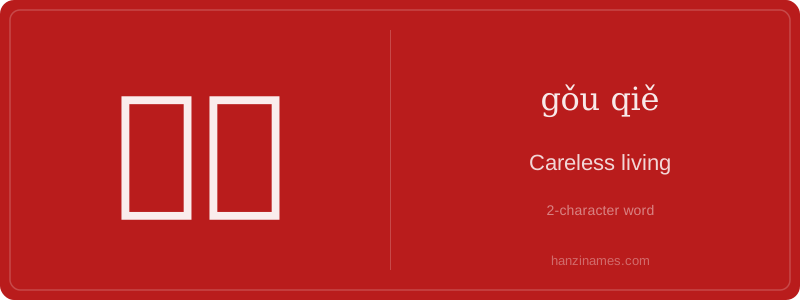
苟且 refers to a way of living or acting in a careless, superficial, or indifferent manner, often without concern for long-term consequences or moral standards. It implies a lack of effort or commitment, and is typically used to describe behavior that is merely 'good enough' rather than genuinely responsible or thoughtful.
The character 苟 (gǒu) originally meant 'to endure' or 'to tolerate,' while 且 (qiě) can mean 'and' or 'also.' Together, they form a term that suggests a passive acceptance of circumstances without striving for better outcomes. This combination reflects the idea of getting by without true effort or integrity.
苟且 is commonly used in modern Chinese to criticize people who avoid responsibility or make half-hearted efforts. It appears in discussions about work ethics, personal development, and social behavior. Related expressions include 苟且偷生 (to live carelessly and selfishly) and 苟且敷衍 (to do something perfunctorily). It is important to use this term carefully, as it carries a strong negative connotation.