沐浴
How to Say
👀 0
How to Write
Meaning: to bathe
How to Understand
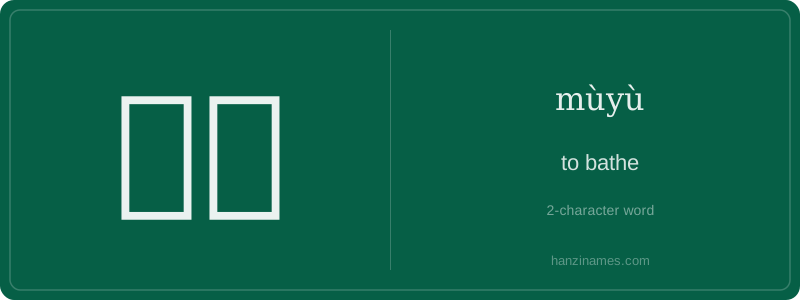
沐浴
沐 is a verb meaning to wash or bathe, and 浴 also means to bathe. Together, 沐浴 refers to the act of bathing, either literally or figuratively. It can also imply being immersed in an experience or environment.
The character 沐 originally meant to wash one's hair, while 浴 specifically referred to a bath. Combining them emphasizes the full-body washing process, but the phrase has expanded to include metaphorical meanings such as being influenced by something deeply.
In modern usage, 沐浴 is commonly used in both physical and metaphorical contexts. For example, it can describe taking a shower or being surrounded by a certain atmosphere, like the “bath” of a culture or idea. It is often used in poetic or literary language.
Example Sentences
他每天早上都喜欢沐浴后去散步。
He likes to take a shower and then go for a walk every morning.
这个新项目让我感到像在阳光下沐浴一样温暖。
This new project makes me feel as if I'm basking in the sunlight.