台风
How to Understand
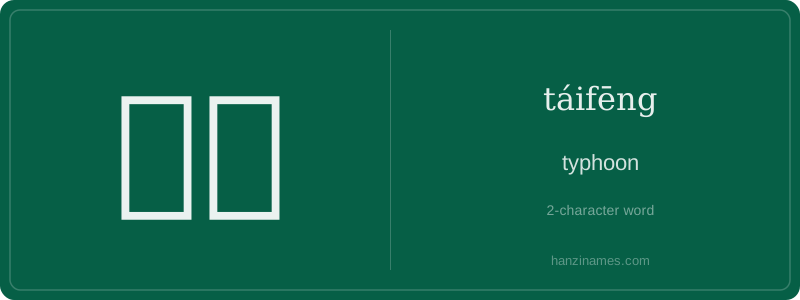
台风 (tái fēng) refers to a tropical cyclone that forms over the western Pacific Ocean, typically characterized by strong winds, heavy rain, and storm surges. It is similar to a hurricane but specifically used in East and Southeast Asian contexts.
The character 台 (tái) originally referred to a platform or terrace, while 风 (fēng) means wind. Together, they literally translate to "wind on a platform," possibly alluding to the intense winds that sweep across coastal areas during such storms. The term has been adopted into English as "typhoon" due to its widespread use in Chinese-speaking regions.
台风 is commonly used in weather reports and daily conversations in China, Taiwan, and other parts of East Asia. It is important to note that typhoons are different from regular storms and can cause significant damage. Understanding this term helps in comprehending weather forecasts and disaster preparedness in these regions.