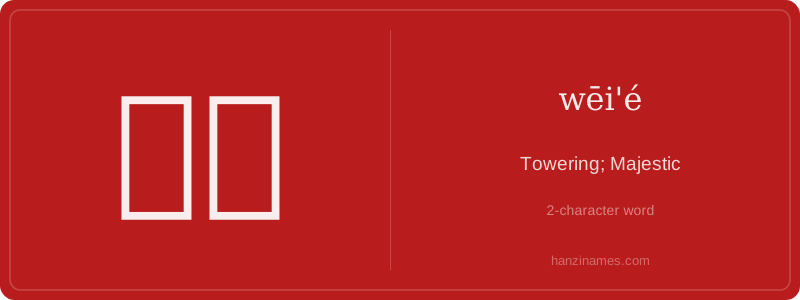
巍峨
How to Say
👀 0
How to Write
Meaning: Towering; Majestic
How to Understand
巍峨
巍峨 is an adjective used to describe something that is tall, grand, and imposing, often referring to mountains, buildings, or structures. It conveys a sense of grandeur and awe, emphasizing height and majesty.
The character 巍 (wēi) originally meant 'towering' or 'lofty,' while 峨 (é) means 'majestic' or 'grand.' Together, they create a compound word that emphasizes both height and grandeur, often used in poetic or descriptive contexts.
巍峨 is commonly used in literature, travel descriptions, and cultural expressions to depict natural or man-made wonders. It reflects the Chinese appreciation for monumental landscapes and architecture, often associated with famous landmarks like the Himalayas or ancient temples.
Example Sentences
那座山巍峨耸立,仿佛直插云霄。
That mountain stands towering, as if reaching into the sky.
故宫的建筑巍峨壮观,展现了古代中国的辉煌。
The architecture of the Forbidden City is majestic and impressive, showcasing the glory of ancient China.