应该
How to Understand
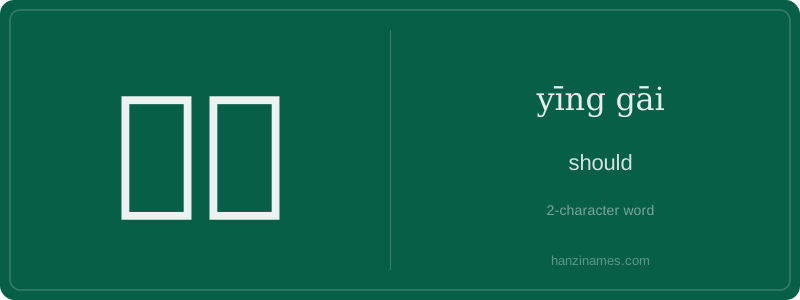
应该 (yīng gāi) is a common Chinese word used to express obligation, expectation, or recommendation. It conveys the idea of what is right or appropriate to do, similar to 'should' or 'ought to' in English. Unlike 'must,' which implies necessity, 应该 suggests a more polite or reasonable suggestion.
The character 应 (yīng) originally meant 'to respond' or 'to answer,' and later came to mean 'should' or 'ought to.' 该 (gāi) means 'should' or 'must,' often used in formal or structured contexts. Together, they form a phrase that expresses a normative statement or expectation.
应该 is widely used in daily conversation, academic writing, and formal documents. It's commonly found in advice, instructions, and discussions about social norms or responsibilities. In Chinese culture, using 应该 can show respect and politeness when giving suggestions or making recommendations.