暂且
How to Understand
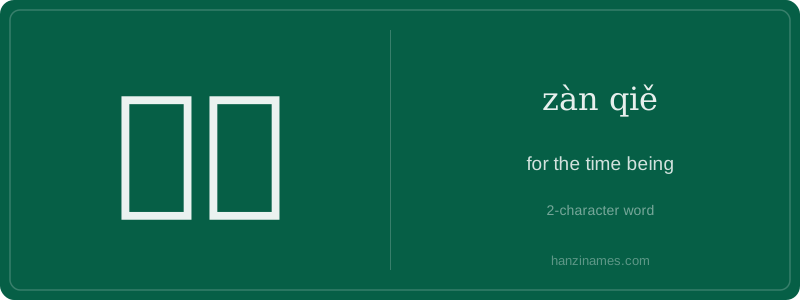
暂且 (zàn qiě) is an adverb meaning 'for the time being' or 'temporarily.' It indicates that something is being done or accepted temporarily, without commitment to a long-term plan. Unlike 'just' or 'only,' which can imply limitation, 暂且 suggests a temporary state with the possibility of change later.
The character 暂 (zàn) originally meant 'to delay' or 'to hold back,' while 且 (qiě) often functions as a conjunction meaning 'and' or 'also.' Together, they form a phrase that expresses a temporary situation, suggesting that the current action or condition is not final.
暂且 is commonly used in everyday conversation to soften statements or express flexibility. For example, it might be used when postponing a decision or accepting a situation temporarily. It reflects a cultural tendency toward patience and adaptability in Chinese communication.