遭难
How to Understand
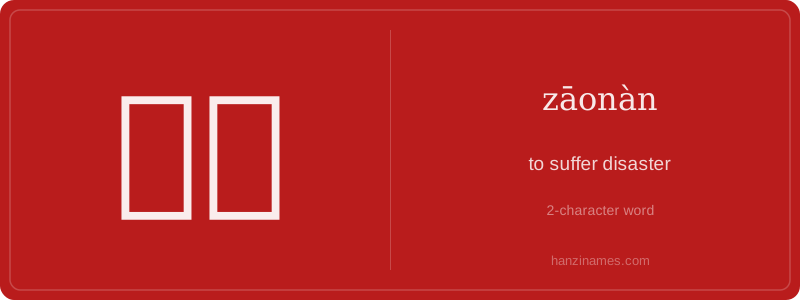
遭难 means to experience a disaster or calamity, often implying an unexpected and severe misfortune. It is typically used in contexts involving accidents, natural disasters, or sudden misfortunes, distinguishing it from more general terms like 'suffer' or 'face hardship.'
The character 遭 (zāo) originally meant 'to encounter' or 'to meet,' while 难 (nán) means 'difficulty' or 'calamity.' Together, they form a compound that emphasizes the sudden and unfortunate nature of the event.
遭难 is commonly used in news reports, historical accounts, and everyday conversations when describing tragic events. It carries a tone of seriousness and is often used in formal or dramatic contexts. Related expressions include 遭遇灾难 (to encounter a disaster) or 遭受苦难 (to suffer hardships).