动作
How to Understand
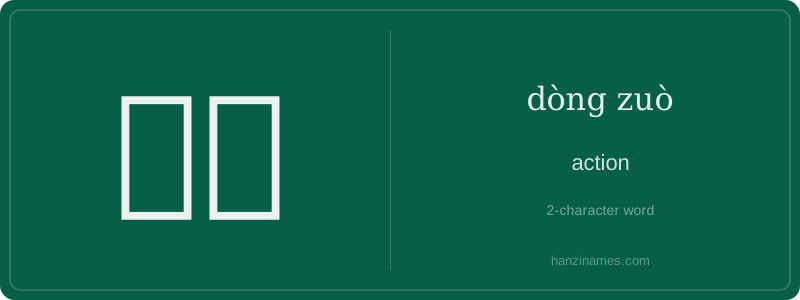
动作 (dòng zuò) translates to 'action' in English. It refers to a physical movement or a deliberate act, often used in contexts like sports, martial arts, or performance arts. Unlike 'movement,' which can be more general, 'action' implies intentionality and purpose.
The character 动 (dòng) means 'to move' or 'to activate,' while 作 (zuò) means 'to make' or 'to do.' Together, they form a term that emphasizes the execution of an intentional act or gesture. This combination reflects the idea of performing something with purpose and energy.
动作 is commonly used in contexts such as dance, martial arts, or theater, where specific movements are practiced and performed. In everyday language, it can also refer to a person's behavior or a particular event. Understanding this term helps learners grasp how Chinese speakers describe actions and behaviors in various cultural and practical settings.