投降
How to Understand
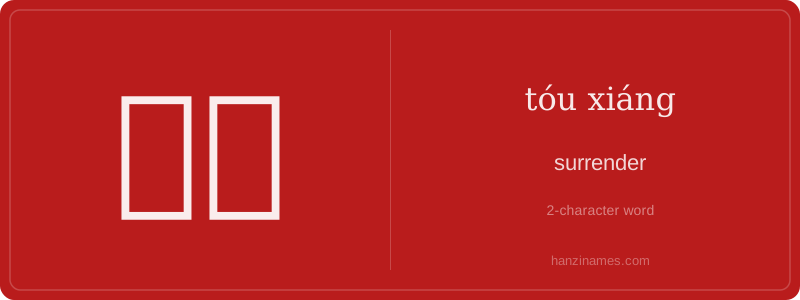
投降 (tóu xiáng) means 'surrender' in English, typically referring to the act of giving up resistance, especially in a military or conflict context. It emphasizes the formal or decisive end of a struggle, often implying defeat or acceptance of another's authority.
The character 投 (tóu) originally meant 'to throw' or 'to cast,' and in this context, it suggests the act of relinquishing control or power. 降 (jiàng) means 'to descend' or 'to lower,' reinforcing the idea of yielding or submitting. Together, they form a powerful expression of submission.
投降 is commonly used in historical, military, or narrative contexts. It can also appear in literature or films depicting wars, battles, or conflicts. Learners should note that while it is often used literally, it can sometimes be metaphorical, such as in situations where someone gives up a position or goal.