低于
How to Say
👀 0
How to Write
Meaning: below
How to Understand
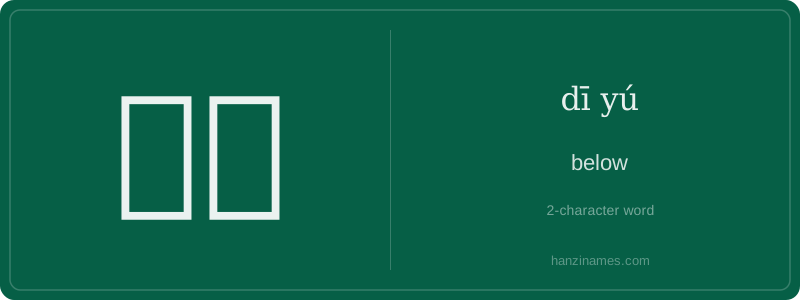
低于
低于 means 'below' or 'under' in English, often used to indicate something is less than a specified amount, level, or standard. It emphasizes a comparative relationship, typically in quantitative or qualitative contexts.
The character 低 (dī) means 'low' or 'below,' and 于 (yú) is a classical preposition meaning 'than' or 'in relation to.' Together, they form a fixed phrase that expresses comparison or inferiority.
低于 is commonly used in formal and informal contexts, such as describing temperature, prices, performance, or rankings. In Chinese culture, it's often used in business, education, and daily life to express comparisons or standards.
Example Sentences
他的收入低于平均水平。
His income is below the average.
这个产品的质量低于预期。
The product's quality is below expectations.