不满
How to Understand
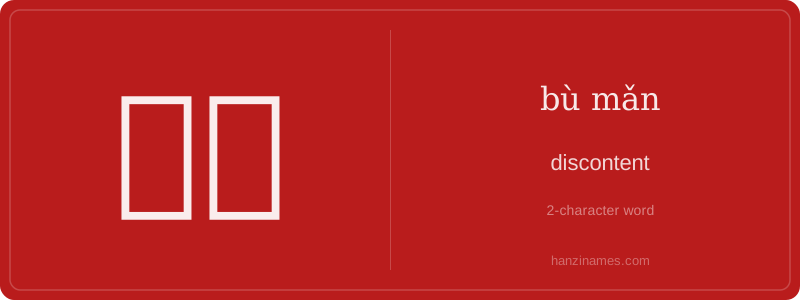
不满 refers to a feeling of dissatisfaction or discontent, often stemming from unmet expectations or perceived injustices. It is commonly used to describe a person's emotional state rather than a physical condition.
The character 不 (bù) means 'not,' and 满 (mǎn) means 'full' or 'satisfied.' Together, they form a compound that literally translates to 'not full' or 'not satisfied,' capturing the essence of dissatisfaction.
不满 is frequently used in social and political contexts to express public sentiment. It can also appear in personal situations, such as when someone feels their efforts are not recognized. In Chinese culture, expressing不满 may be seen as a way to voice concerns, though it is often done with caution due to cultural norms around harmony and respect.