上游
How to Understand
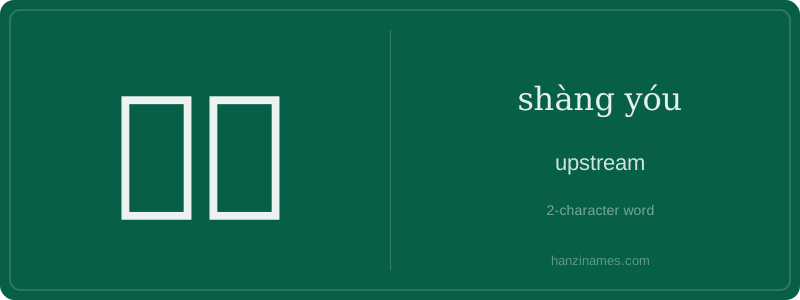
上遊 (shàng yóu) literally means 'upstream' and refers to the direction from which a river flows, or a position that is higher or earlier in a process. It can also be used metaphorically to describe a source or origin.
The character 上 (shàng) means 'above' or 'up,' while 游 (yóu) originally meant 'to swim' or 'to float.' Together, they form a term that describes the upper part of a river or the starting point of something.
In daily use, 上遊 is often found in geographical contexts, such as describing the source of a river or a stream. It may also appear in more abstract expressions, like 'the upstream of a problem,' referring to its root cause. In Chinese culture, understanding the upstream helps in appreciating the flow and origins of natural and social phenomena.