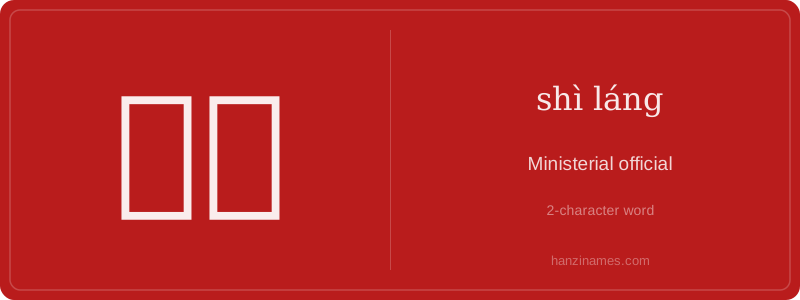
侍郎
How to Say
👀 0
How to Write
Meaning: Ministerial official
How to Understand
侍郎
侍郎 (shì láng) is a historical Chinese title for a high-ranking government official, typically serving in a ministerial or advisory capacity during the imperial era. It was commonly used in dynastic periods such as the Tang and Song dynasties.
The character 侍 (shì) means 'to serve' or 'attendant,' while 郎 (láng) refers to a young man or a term of endearment, often used in official titles. Together, 侍郎 implies an official who serves in a senior role within the imperial court.
Today, 侍郎 is mostly used in historical contexts or in reference to traditional Chinese bureaucratic structures. It may appear in literature, historical dramas, or academic discussions about ancient China’s governance system.
Example Sentences
这位侍郎在朝廷中担任重要职务,协助皇帝处理政务。
This ministerial official held an important position in the court and assisted the emperor in managing state affairs.
古代的侍郎常常需要参与重大决策,是皇帝身边的信任大臣。
Ancient ministers often needed to participate in major decisions and were trusted officials by the emperor's side.