鸟瞰
How to Understand
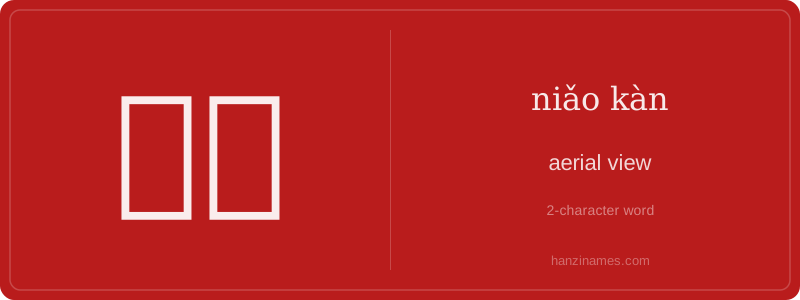
鸟瞰 means an aerial or bird's-eye view of a scene, typically from above. It is often used to describe a visual perspective that shows the overall layout of an area, such as a city, landscape, or event.
The character 鸟 (niǎo) literally means 'bird,' and 瞰 (kàn) means 'to look down upon.' Together, they metaphorically suggest viewing something from the vantage point of a bird flying overhead, emphasizing a comprehensive, elevated perspective.
鸟瞰 is commonly used in geography, urban planning, photography, and travel writing. It reflects the cultural appreciation for broad, sweeping views, which are often seen as both practical and aesthetically pleasing. In Chinese media, it is frequently used in documentaries and maps to show large-scale landscapes or structures like cities and historical sites.