上演
How to Understand
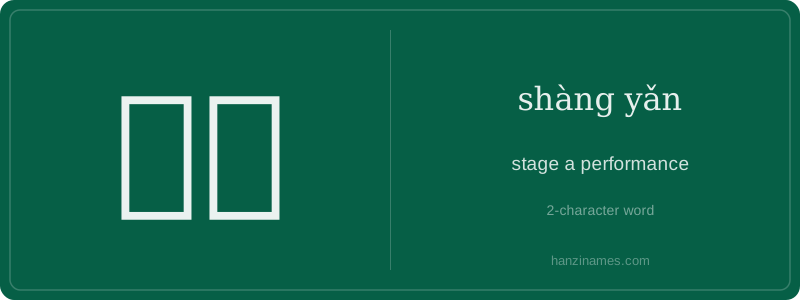
上演 means 'to stage a performance' or 'to put on a show'. It is commonly used to describe the presentation of plays, operas, or other forms of theatrical performance. Unlike similar terms like 演出 (yǎn chū), which can also mean 'performance', 上演 emphasizes the act of bringing something to the stage or presenting it in a public setting.
The character 上 (shàng) means 'up' or 'above', and often indicates an action that takes place in a higher position or in a more formal context. The character 演 (yǎn) means 'to perform' or 'to act out'. Together, 上演 suggests the act of performing something publicly, as if bringing it 'up' for an audience to see.
上演 is frequently used in contexts related to theater, media, and even metaphorical situations, such as when describing a dramatic event unfolding in real life. It is an essential term for anyone interested in Chinese arts or cultural events, and it reflects the importance of performance in Chinese culture.