提防
How to Understand
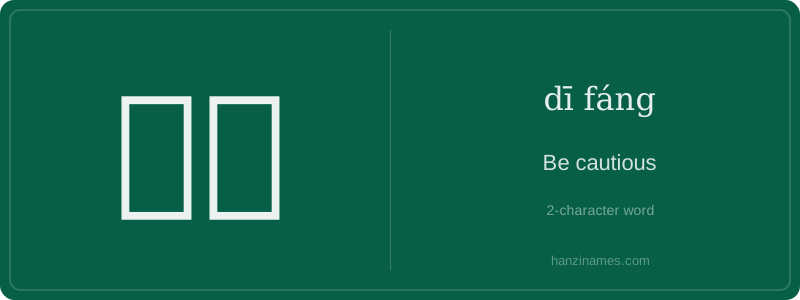
提防 (dī fáng) means to be alert, watchful, or cautious, often in the context of avoiding danger, deception, or harm. It emphasizes proactive awareness rather than passive observation.
The character 提 (tí) originally meant 'to lift' or 'to raise,' and later came to signify 'to take care of' or 'to guard.' 防 (fáng) means 'to prevent' or 'to guard against.' Together, they form a phrase that conveys the idea of being on guard or prepared for potential threats.
提防 is commonly used in daily conversations to warn someone about possible risks, such as fraud, betrayal, or accidents. It reflects a cultural emphasis on vigilance and personal safety. The phrase is often used in both formal and informal settings, especially when advising others to stay alert in uncertain situations.