规章
How to Understand
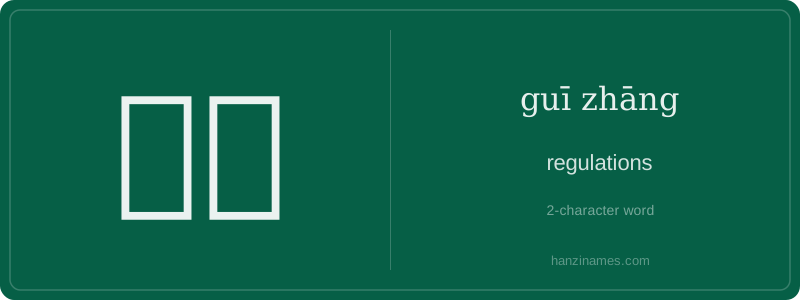
规 章 (guī zhāng) refers to formal rules, regulations, or bylaws established by an organization, institution, or government. It emphasizes structured guidelines that govern behavior or procedures, often more specific than general laws.
The character 规 (guī) means 'rule' or 'standard,' while 章 (zhāng) originally meant 'chapter' or 'section' but has evolved to signify 'regulation' or 'code.' Together, they form a term that conveys a set of official, written instructions.
规 章 is commonly used in formal contexts such as schools, companies, and government agencies. It reflects the importance of order and structure in Chinese society. Learners should note that it is distinct from 法律 (fǎlǜ), which means 'law,' as 规 章 tends to be more internal or organizational.