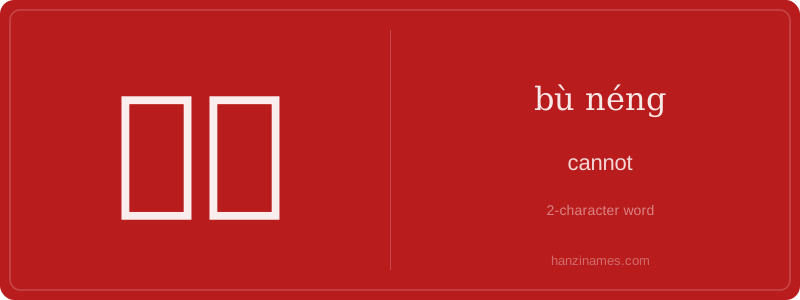
不能
How to Say
👀 0
How to Write
Meaning: cannot
How to Understand
不能
不能 (bù néng) is an adverb that means 'cannot' or 'not able to.' It expresses an inability or impossibility to perform an action, often due to external constraints or personal limitations.
The character 不 (bù) means 'not,' and 能 (néng) means 'can' or 'to be able to.' Together, they form a negation of ability, making the phrase express a lack of capability or permission.
不能 is commonly used in daily conversations to indicate restrictions, such as time, resources, or rules. It is also used in formal contexts like legal documents or official notices. A related expression is 不可以 (bù kěyǐ), which means 'must not' or 'should not,' emphasizing prohibition rather than inability.
Example Sentences
我不能去参加聚会,因为我有工作要完成。
I cannot attend the party because I have work to finish.
这个箱子太重了,我不能把它搬起来。
This box is too heavy; I cannot lift it.