反对
How to Say
👀 0
How to Write
Meaning: oppose
How to Understand
反对
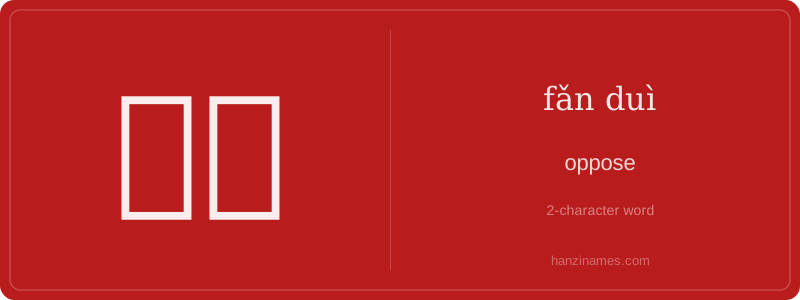
反对 means 'to oppose' or 'to object to' in English. It expresses a disagreement or resistance toward an idea, action, or policy.
The character 反 (fǎn) means 'opposite' or 'against,' and 对 (duì) means 'correct' or 'match.' Together, they form a term that conveys the idea of standing against something, often with a sense of resistance or disagreement.
反对 is commonly used in political, social, and personal contexts. For example, people may oppose a new law, a decision, or a behavior. It is also used in formal debates or discussions where one party presents a counterargument.
Example Sentences
他强烈反对这个计划。
He strongly opposes this plan.
大多数市民反对建新工厂。
Most citizens oppose building a new factory.