主张
How to Say
👀 0
How to Write
Meaning: proposition
How to Understand
主张
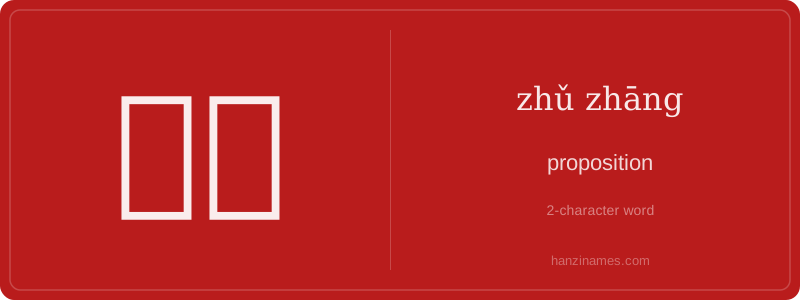
主张 refers to a proposition, argument, or standpoint that someone presents, especially in a formal or intellectual context. It emphasizes the act of advocating for an idea or position, often in debates, discussions, or academic settings.
The character 主 (zhǔ) means 'master' or 'main,' and 张 (zhāng) originally meant 'to stretch' or 'to expand.' Together, they form a term that conveys the idea of presenting or promoting a main idea or belief.
主张 is commonly used in academic, political, or philosophical contexts. It is often seen in written discourse, such as essays, policy papers, or public speeches. Understanding this term helps learners grasp how Chinese speakers express opinions and arguments in formal situations.
Example Sentences
他提出了一个重要的主张,希望政府能采取更多措施保护环境。
He put forward an important proposition, hoping the government would take more measures to protect the environment.
在会议上,她坚持自己的主张,反对这个新政策。
At the meeting, she upheld her own proposition and opposed this new policy.