工资
How to Understand
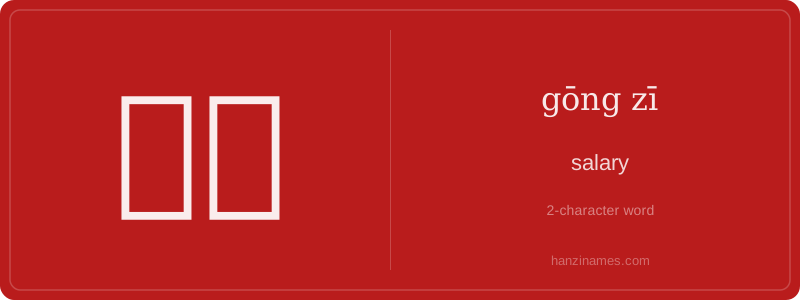
工资 (gōng zī) refers to the money an employee receives for their work, typically on a regular basis such as monthly. It is distinct from other forms of income like bonuses or side jobs, and it reflects the value of one's labor in a formal employment setting.
The character 工 (gōng) means 'work' or 'labor,' while 资 (zī) originally meant 'resources' or 'funds.' Together, they form a term that specifically denotes compensation for work, emphasizing the exchange of labor for monetary reward.
工资 is commonly used in both formal and informal contexts, especially in discussions about employment, job satisfaction, and economic stability. In China, it is often tied to performance evaluations, promotions, and social status. Understanding how to discuss salary is essential for anyone working or living in a Chinese-speaking environment.