不管
How to Understand
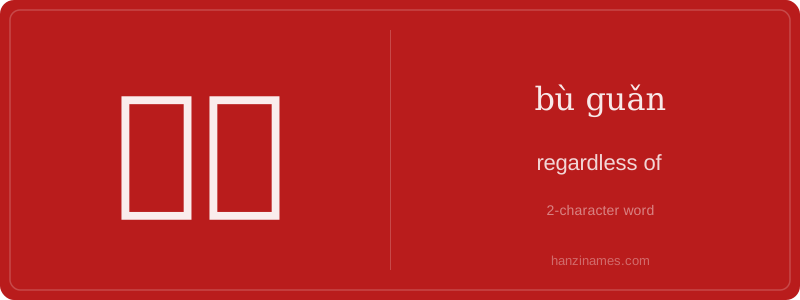
不管 means 'regardless of' or 'no matter what.' It is used to express that something remains true or happens despite other conditions or circumstances. Unlike similar expressions like 'although,' 不管 focuses on the persistence of an action or state despite external factors.
The character 不 (bù) means 'not,' and 管 (guǎn) originally meant 'to manage' or 'to take care of.' Together, 不管 literally translates to 'not manage' or 'not concern,' but in modern usage, it conveys a sense of indifference or determination in the face of obstacles or conditions.
不管 is commonly used in daily conversations to emphasize that a decision or action will not be affected by other factors. For example, it can appear in statements like '不管天气如何,我们都会去' (No matter the weather, we will go). This phrase reflects a cultural value of perseverance and decisiveness in Chinese communication.