陛下
How to Understand
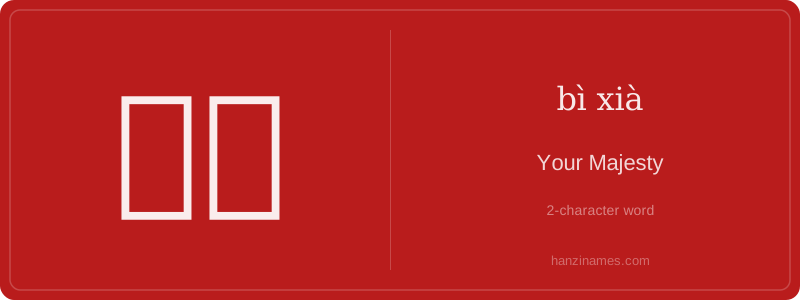
陛下 (bì xià) is a formal title used to address or refer to an emperor or king. It is a respectful and honorific term, typically used in historical or ceremonial contexts. Unlike the more general 'your highness,' 陛下 specifically refers to the sovereign ruler.
The character 陛 (bì) originally meant 'steps' or 'platform,' symbolizing the elevated status of the emperor. 下 (xià) means 'below' or 'lower.' Together, they imply the ruler's position above all others, emphasizing their supreme authority.
Today, 陛下 is mainly found in historical texts, literature, or formal settings. It is rarely used in modern daily conversation. In contemporary China, it is often associated with imperial history and traditional culture. Learners should note its formal tone and avoid using it in casual speech.