反抗
How to Understand
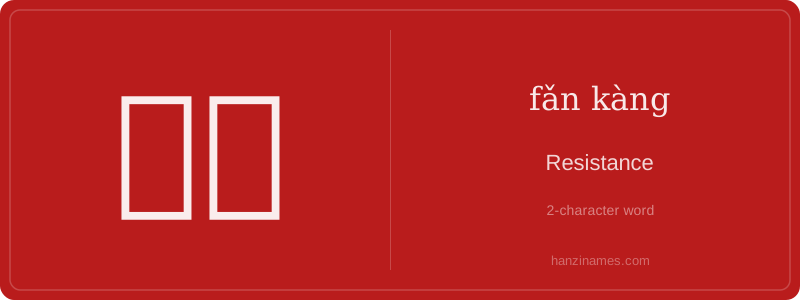
反抗 means 'resistance' or 'rebellion,' typically referring to a refusal to accept authority, oppression, or unjust treatment. It often implies a deliberate and sometimes organized act of defiance against a perceived wrong.
The character 反 (fǎn) means 'against' or 'opposite,' while 抗 (kàng) means 'to resist' or 'to oppose.' Together, they form a compound that literally translates to 'opposing resistance,' capturing the essence of standing up against something oppressive or unfair.
反抗 is commonly used in historical, political, and social contexts. It can describe both individual acts of defiance and collective movements. In modern Chinese, it is often associated with themes of justice, freedom, and human rights. The term is also used in literature and media to depict struggles against authoritarianism or social inequality.