却说
How to Understand
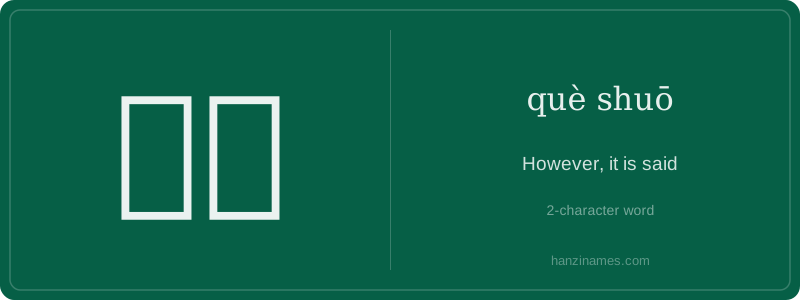
却说 is a classical Chinese expression used to introduce a narrative or transition between story segments. It roughly translates to 'however, it is said' or 'but let's say.' It is commonly found in traditional Chinese literature and historical texts to signal a shift in the story or to present a new development.
The character 却 (què) means 'however,' 'but,' or 'yet,' indicating contrast or unexpectedness. 说 (shuō) means 'to say' or 'to speak.' Together, they form a phrase that introduces a new statement or narrative point, often with a sense of surprise or contrast.
Though not commonly used in modern spoken Chinese, 却说 remains significant in literary contexts. It is often seen in historical novels like Journey to the West or Sanguo Yanyi, where it helps structure storytelling and create dramatic effect. Learners should note its formal tone and limited use in contemporary conversation.