对抗
How to Say
👀 0
How to Write
Meaning: resistance
How to Understand
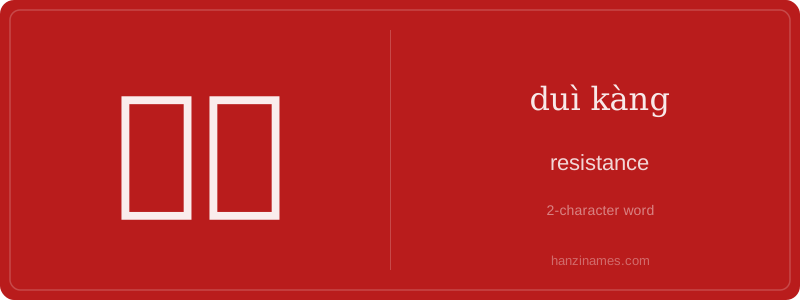
对抗
对抗 means 'resistance' or 'opposition,' often used to describe a struggle or conflict between opposing forces. It can refer to physical resistance, like in sports or combat, or metaphorical resistance, such as in political or ideological contexts.
The character 对 (duì) means 'correct' or 'opposite,' while 抗 (kàng) means 'to resist' or 'to oppose.' Together, they form a word that emphasizes a direct challenge or confrontation.
对抗 is commonly used in both formal and informal settings, such as in discussions about social movements, sports, or even personal disagreements. It is also used in phrases like 防御对抗 (defensive resistance) or 政治对抗 (political opposition).
Example Sentences
他们在比赛中表现出强烈的对抗精神。
They showed strong spirit of resistance in the competition.
国家之间的对抗常常影响国际关系。
The resistance between countries often affects international relations.