纲领
How to Understand
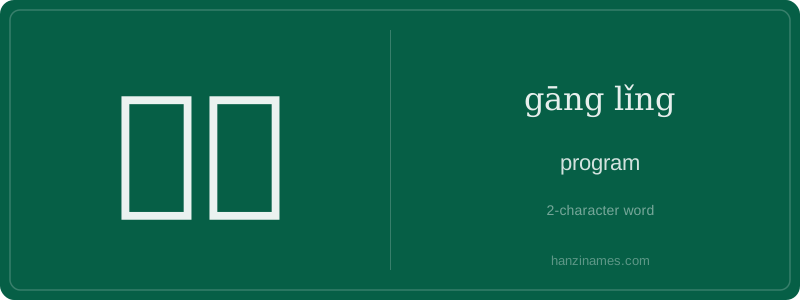
纲领 refers to a plan, program, or framework that outlines the main ideas or objectives of an organization, movement, or policy. It is often used in political, ideological, or strategic contexts to describe the core principles guiding an action or initiative.
The character 纲 (gāng) originally meant a fishing net's main line, symbolizing a central or guiding principle. 领 (lǐng) means to lead or guide. Together, they form a term meaning a guiding principle or overall plan.
纲领 is commonly used in formal or official settings, such as government policies, party platforms, or organizational strategies. It is not typically used in everyday conversation but appears frequently in political and academic discussions. Understanding 纲领 can help learners grasp the foundational ideas behind large-scale initiatives or movements in Chinese society.