尴尬
How to Understand
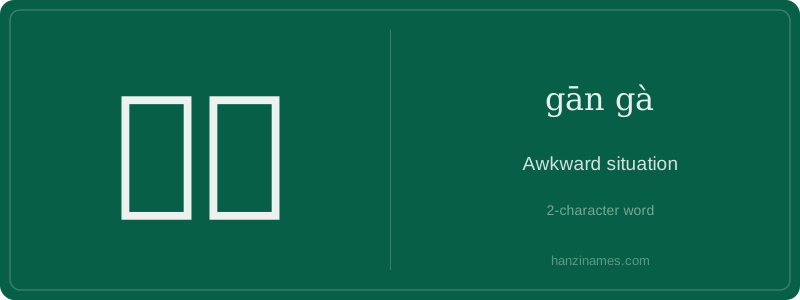
尴尬 refers to a situation that causes discomfort, embarrassment, or an uncomfortable silence. It often arises from social missteps, unintended humor, or unexpected circumstances that make people feel self-conscious.
The character 尴 (gān) originally meant to be in a difficult or tight spot, while 讥 (gà) suggested mockery or sarcasm. Together, they form a word that captures the feeling of being caught in an uncomfortable or embarrassing moment.
尴尬 is commonly used in daily conversations to describe situations where people feel uneasy, such as when someone accidentally says something inappropriate or when there's an awkward silence. It reflects the cultural emphasis on social harmony and the importance of maintaining face in Chinese interactions.