干旱
How to Understand
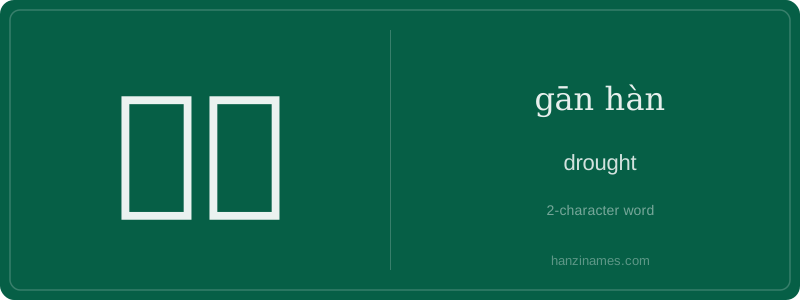
干旱 refers to a prolonged period of abnormally low rainfall, leading to a shortage of water. It is distinct from general dryness, as it specifically implies a severe and often damaging lack of moisture in the environment.
The character 干 (gān) means 'dry,' and 旱 (hàn) means 'drought' or 'dryness.' Together, they form a compound that directly conveys the idea of extreme dryness. This word has ancient roots in Chinese agricultural society, where water availability was crucial for farming and survival.
干旱 is commonly used in news reports, weather forecasts, and discussions about environmental issues. In China, it is a significant concern in regions like the north, where water resources are limited. Understanding this term helps learners grasp environmental vocabulary and appreciate the challenges of climate-related issues in Chinese contexts.