特权
How to Say
👀 0
How to Write
Meaning: Privilege
How to Understand
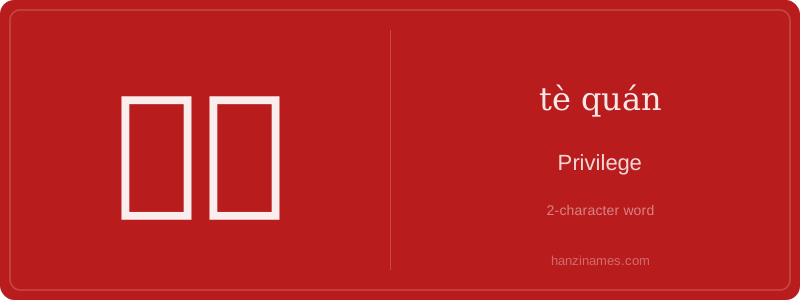
特权
特权 (tè quán) refers to a special right or advantage granted to certain individuals or groups, often based on status, position, or connection. It differs from general rights in that it is not universally available and may involve unfair advantages.
The character 特 (tè) means 'special' or 'particular,' while 权 (quán) means 'right' or 'power.' Together, they signify a unique right or authority that is not accessible to everyone.
In Chinese society, 特权 can carry both positive and negative connotations. It may describe benefits given to officials or elites, which can lead to public debate about fairness and equality. Understanding this term helps learners grasp nuances in social dynamics and power structures.
Example Sentences
他享有特殊待遇,这让他感到很自豪。
He enjoys special privileges, which makes him feel proud.
在这家公司,高级经理有更多特权。
In this company, senior managers have more privileges.