灾难
How to Understand
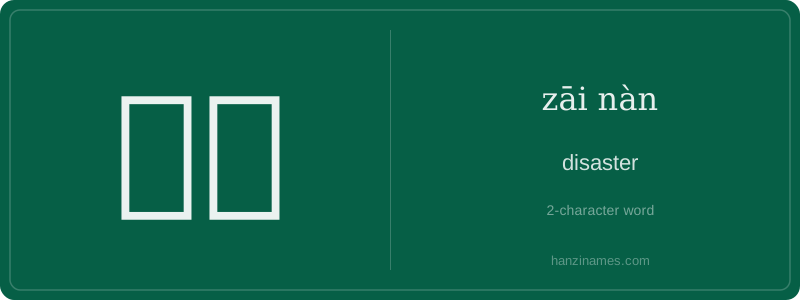
灾难 (zāi nàn) means 'disaster' or 'calamity' in English. It refers to a large-scale event that causes significant damage, suffering, or loss, often due to natural causes like earthquakes or human actions like wars.
The character 灾 (zāi) originally meant 'disaster' or 'calamity,' and 难 (nán) means 'difficulty' or 'hardship.' Together, they emphasize a situation of extreme hardship or destruction. The word has roots in classical Chinese, where it was used to describe major misfortunes or crises.
灾难 is commonly used in news reports, historical contexts, and everyday conversations to describe events like floods, fires, or accidents. In Chinese culture, it's often associated with resilience and the importance of preparedness. Phrases like 灾难发生 (zāi nàn fāshēng) mean 'a disaster occurs,' and 灾难救援 (zāi nàn jiùyuán) means 'disaster relief.'