指望
How to Understand
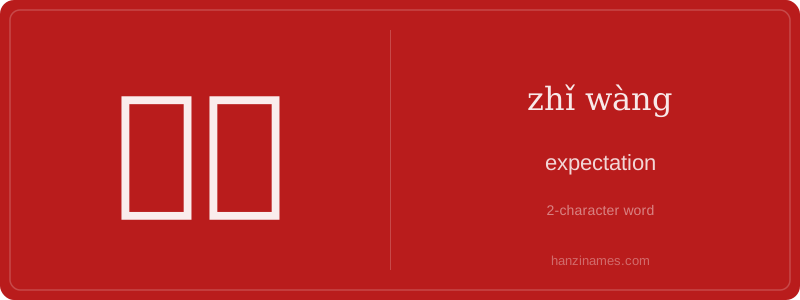
指望 refers to the expectation or hope that someone places on a person, situation, or outcome. It often implies a sense of reliance or belief that something will happen as desired.
The character 指 (zhǐ) originally meant 'to point' or 'to indicate,' and later came to mean 'to expect' or 'to rely on.' 望 (wàng) means 'to look' or 'to hope.' Together, they form a word that conveys the idea of looking forward to or expecting something.
指望 is commonly used in everyday speech to express hopes or expectations, especially when there's an element of uncertainty or dependence. For example, people might say they have high hopes for a child's future, or they may rely on a friend for support. It's also used in contexts like financial or emotional expectations.