果实
How to Understand
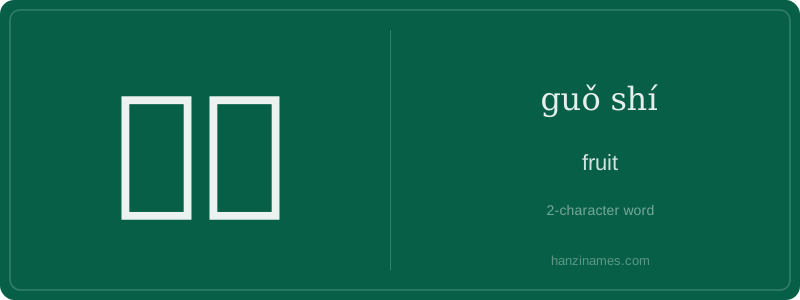
果实 is a Chinese word that directly translates to 'fruit' in English. It refers to the edible part of a plant that contains seeds, typically formed after flowering. While it can sometimes be used metaphorically, its primary meaning is literal and practical.
The character 果 (guǒ) originally meant 'tree fruit' or 'result,' and 实 (shí) means 'substance' or 'truth.' Together, they form a term that emphasizes the tangible product of a plant's growth. This combination reflects both the physical nature of fruit and its symbolic role as a result of effort or growth.
果实 is commonly used in everyday language, such as in cooking, agriculture, and even in metaphors about success or outcomes. In cultural contexts, it often appears in proverbs or idioms related to hard work and reward, making it an essential term for understanding Chinese expressions about achievement.