留给
How to Understand
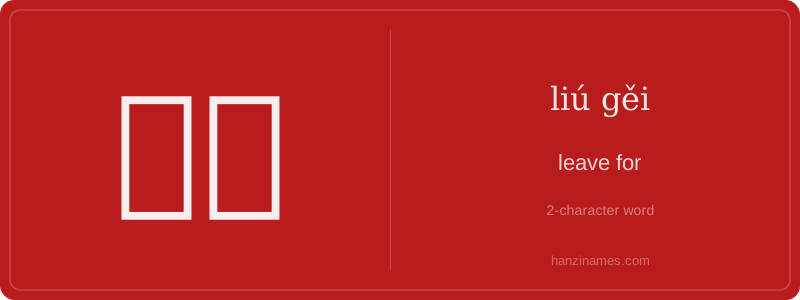
留给 means 'to leave for' or 'to reserve for,' typically indicating the act of saving something for a specific person, purpose, or time. It emphasizes the idea of setting aside or allocating something for future use or someone else.
The character 留 (liú) means 'to stay' or 'to leave behind,' while 给 (gěi) means 'to give.' Together, they form a phrase that suggests leaving something behind for another party, often with an implication of intentionality or planning.
留给 is commonly used in contexts such as inheritance, reservations, or future arrangements. For example, it might be used when talking about leaving something valuable to a family member, or reserving a spot for someone. It reflects cultural values of responsibility and long-term thinking.