禁地
How to Understand
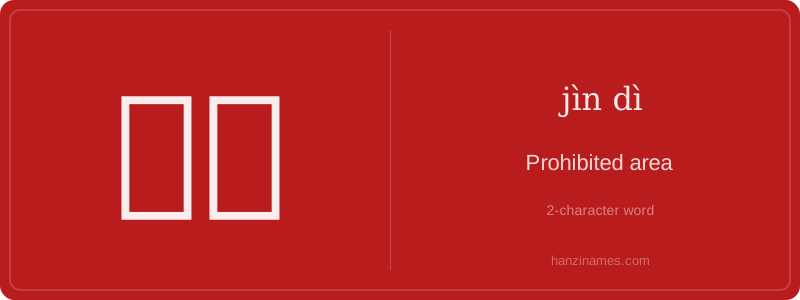
禁地 (jìn dì) refers to a restricted or forbidden area, often due to cultural, religious, or legal reasons. It is typically used for places that are off-limits to the general public, such as sacred sites, military zones, or protected natural reserves.
The character 禁 (jìn) means 'prohibit' or 'forbid,' while 地 (dì) means 'place' or 'area.' Together, they form a compound noun that literally translates to 'prohibited place.' This term reflects the historical and cultural emphasis on respecting boundaries and authority in Chinese society.
禁地 is commonly used in contexts involving heritage preservation, national security, and spiritual practices. For example, it might describe areas within temples that only monks can enter, or regions where access is restricted for environmental protection. Understanding this term helps learners grasp the concept of restricted spaces in Chinese culture and politics.