年末
How to Understand
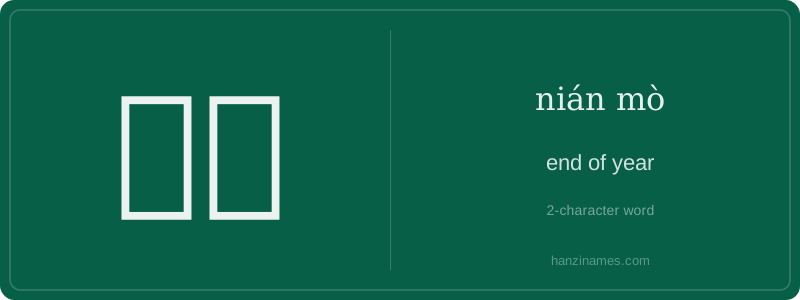
年末 refers to the end of a calendar year, often used to describe the final period of the year before the new one begins. It is commonly used in both formal and informal contexts, especially when discussing annual events, financial periods, or personal reflections.
The character 年 (nián) means 'year,' while 末 (mò) means 'end' or 'final part.' Together, they form a compound that directly translates to 'end of year.' This term has roots in classical Chinese, where 末 was often used to denote the latter part or conclusion of something.
年末 is frequently used in business settings for year-end reports, in personal life for New Year preparations, and in media for year-end reviews. It is also associated with traditions like year-end shopping, tax filings, and planning for the next year. Understanding this term helps learners grasp time-related expressions in Chinese culture.