抗敌
How to Say
👀 0
How to Write
Meaning: resist enemy
How to Understand
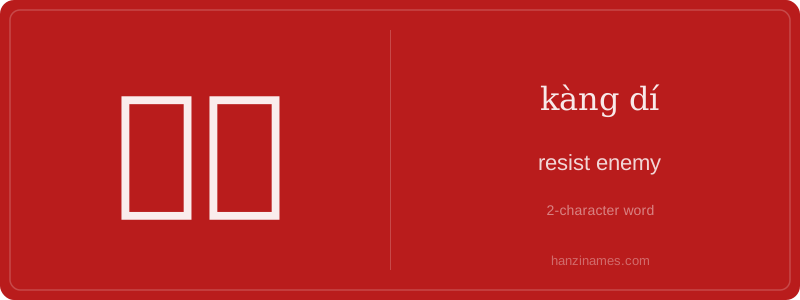
抗敌
抗敌 means 'to resist the enemy' or 'enemy resistance'. It refers to the act of opposing or defending against an enemy, often in a military or defensive context.
The character 抗 (kàng) means 'to resist' or 'to withstand', and 敌 (dí) means 'enemy' or 'adversary'. Together, they form a compound that emphasizes active resistance against an opponent.
抗敌 is commonly used in historical or military contexts, such as during wars or conflicts. It can also appear in literature or political discourse to describe a nation's stance against foreign aggression. The term carries a strong sense of patriotism and defiance.
Example Sentences
抗日战争是中国人民抵抗日本侵略者的战争。
The War of Resistance Against Japan was a war in which the Chinese people resisted Japanese aggression.
战士们在战场上奋勇抗敌,保卫国家。
Soldiers fought bravely on the battlefield to resist the enemy and protect the country.