洞穴
How to Understand
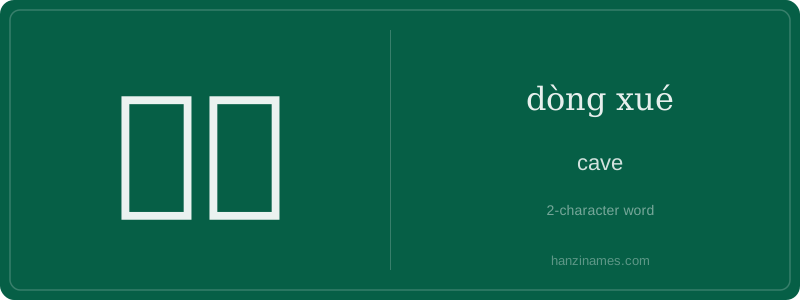
洞穴 (dòng xué) refers to a natural opening in the ground or rock, typically large enough for a person to enter. It differs from other similar terms like 洞 (dòng), which can mean a hole or cave but is often smaller, and 山洞 (shān dòng), which specifically refers to a mountain cave.
The character 洞 (dòng) means 'hole' or 'cave,' while 穴 (xué) means 'a small opening or cavity.' Together, they form a compound that emphasizes a larger, more significant underground space.
洞穴 is commonly used in descriptions of natural landscapes, such as in caves formed by water erosion. In Chinese culture, caves have been historically significant for shelter, religious practices, and even as sites of ancient human activity. Understanding this term helps in exploring Chinese geography and history.