无偿
How to Say
👀 0
How to Write
Meaning: unpaid
How to Understand
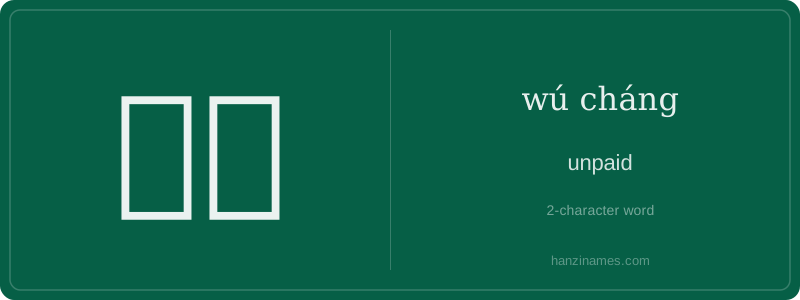
无偿
无偿 means 'unpaid' or 'without compensation.' It describes a situation where something is done without receiving any payment or reward, often in the context of labor, services, or contributions.
The character 无 (wú) means 'without,' and 偿 (cháng) means 'compensation' or 'payment.' Together, they form a compound that emphasizes the absence of financial gain in an action or service.
无偿 is commonly used in contexts such as volunteer work, public service, or donations. In Chinese culture, it can carry a positive connotation, highlighting selflessness and community spirit. It is also used in legal or formal documents to describe non-remunerated activities.
Example Sentences
他自愿参加这个项目,没有任何报酬。
He voluntarily joined the project with no compensation.
医院提供无偿献血服务,鼓励市民参与。
The hospital offers free blood donation services, encouraging citizens to participate.