为民
How to Understand
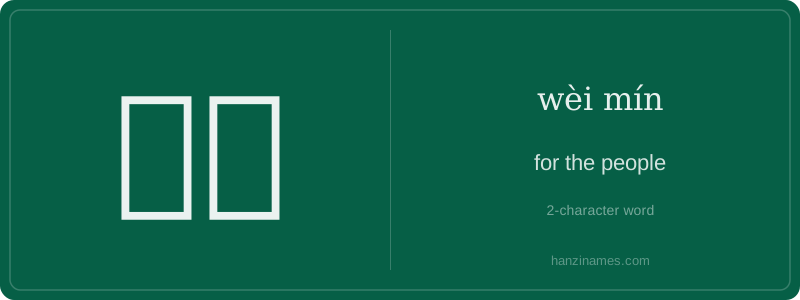
为民 is a Chinese phrase that translates to 'for the people' or 'serving the people.' It emphasizes the idea of working for the benefit of the general population, often used in political or public service contexts.
The character 为 (wéi) means 'to be' or 'to act on behalf of,' while 民 (mín) means 'people' or 'citizen.' Together, they form a term that reflects a commitment to public welfare and social responsibility.
为民 is commonly used in official rhetoric, especially in China, to describe policies or actions taken for the good of the populace. It appears in slogans, speeches, and government documents to highlight the importance of serving the people. The phrase also carries a moral and ethical connotation, suggesting selflessness and dedication to the common good.